Corneliu MUNTEANU
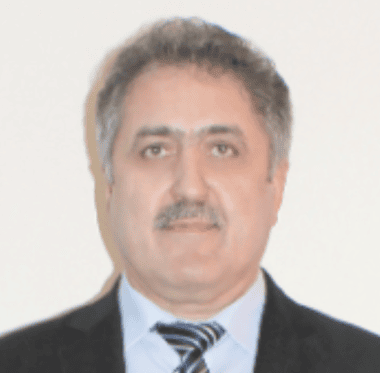
Prof. Univ. Dr. Ing. Corneliu Munteanu is a highly distinguished Romanian academic and researcher who has dedicated his life’s work to the advancement of mechanical engineering and materials science. Born on December 12, 1957, in Onișcani, Bacău County, his journey in higher education began at the Faculty of Mechanics within the Polytechnic Institute of Iași, where he graduated top of his class in 1983. Driven by a deep passion for technological innovation, he pursued advanced doctoral studies and successfully earned his PhD in Engineering in 1994, specializing in Materials Science with a groundbreaking focus on the production of amorphous metallic ribbons. Throughout his remarkable academic career spanning over four decades at the “Gheorghe Asachi” Technical University of Iași (TUIASI), Professor Munteanu steadily rose through the ranks to achieve the status of Full Professor in 2001. Beyond the classroom, his administrative leadership has left a lasting impact on Romanian higher education. He has served as a PhD supervisor since 2002, guiding generations of researchers, and currently leads the Council for University Doctoral Studies (CCPD - Mechanics) at TUIASI. His expertise was also utilized on a national level between 2007 and 2012, when he held major governmental roles within the Romanian Ministry of Education, including Director of the National Center for Recognition and Equivalence of Diplomas. As a corresponding member of the Academy of Technical Sciences of Romania (ASTR), Professor Munteanu is widely recognized for his cutting-edge scientific contributions. His research portfolio, highly regarded on platforms like ResearchGate, focuses on advanced materials such as medical biomaterials, biodegradable substances, and thermal spray coatings for surface engineering [astr.ro]. Utilizing state-of-the-art techniques like Scanning Electron Microscopy (SEM), he has unlocked new insights into materials characterization. His extensive findings are published across five landmark specialized textbooks and numerous invention patents, solidifying his legacy as a pillar of Romania's engineering community.
Abstract
The Role of Ca, Sr, and Zn in the Main Properties of Mg-Based Biodegradable Alloys for Biomedical Applications
Corneliu Munteanu 1, 2*, Bogdan Istrate 1, Gabriela Leata 3, Mariana Isare1
1 Mechanical Engineering, Mechatronics and Robotics Department, Mechanical Engineering Faculty, “Gheorghe Asachi” Technical University of Iasi, 700050 Iasi, Romania
2Technical Sciences Academy of Romania, 26 Dacia Blvd., 030167 Bucharest, Romania
3 Faculty of Medicine and Pharmacy, University “Dunarea de Jos” Galati, Romania
Magnesium based biodegradable alloys are a class of materials which are attracting interest for biomedical implant applications. They are characterized by favorable mechanical properties, biocompatibility and the potential for controlled degradation in physiological environments, thus avoiding secondary surgical intervention. The present study aims to explore the effects of Ca, Sr and Zn as alloying elements on microstructural evolution, mechanical properties, corrosion resistance and biological response of Mg-based systems. The addition of Mg, Ca and Zn, endogenous elements of the human organism, produces grain refinement, precipitation hardening and the formation of intermetallic secondary phases (Mg2Ca and Mg6Ca2Zn), leading to improved tensile strength and controlled degradation kinetics. The Sr additions at low concentrations also result in microstructural refinement and improvement of mechanical properties; however, high Sr content has been found to decrease ductility and increase susceptibility to corrosion. Studies of ternary and quaternary alloy systems such as Mg-Ca-Zn, Mg-Zn-Sr and Mg-Ca-Sr compositions show that composition optimization leads to cell viability rates in a range of 95% to 99%, low hydrogen evolution under in vivo conditions. Cytocompatibility of the studied systems is confirmed by both in vitro and in vivo evaluations, where a medium inflammatory response and a well-organized fibrous tissue formation in the areas of material resorption are documented. These results emphasize the importance of the alloying element concentration control in the design of advanced Mg-based implants for orthopedic, dental and maxillofacial applications.
BiomMedD' 2026
All rights reserved © copyright by biommedd.ro